Monday, May 29, 2023

Bridge Fishing for Snook

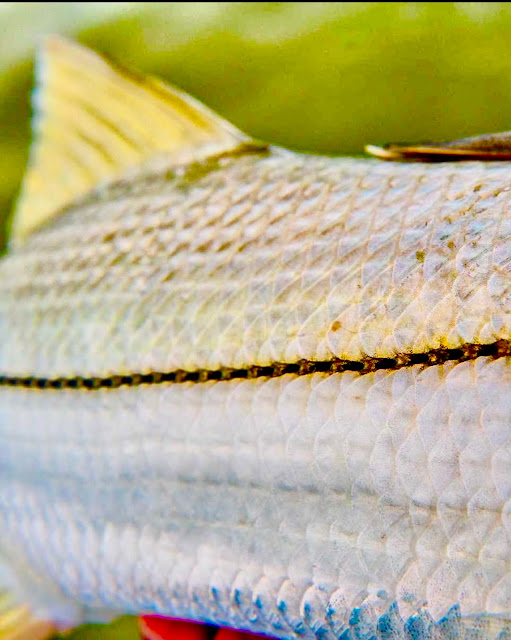
 Anglers new to snook fishing should realize that the "linesider" is a tropical species, more often found in the mangrove estuaries of central and northern South America. Over thousands of years, snook have migrated to Florida as their northernmost region, although few snook exist in north Florida compared to the central and southern part of the Sunshine State.  

A snook can be visualized as a saltwater black bass in its proclivity for structure, ambush and huge suction-style strikes. In Florida, snook range in size from fingerlings to monsters weighing over forty pounds.

A snook can be visualized as a saltwater black bass in its proclivity for structure, ambush and huge suction-style strikes. In Florida, snook range in size from fingerlings to monsters weighing over forty pounds.  

The bridge is often the epicenter of go-to hotspots for snook, since this tropical species uses structure as a hiding place to ambush baitfish that are passing through the compressed current that bridges create. Snook are a flexible species regarding habitat; they can easily switch the refuge of jungle mangrove roots for the concrete pilings of bridges.

Snook are also pliable in their ability to tolerate a high influx of fresh water. In fact, snook thrive where there is a mix of inland fresh water, transitional salty bays, passes and cuts that lead to the open sea. The one thing that will kill them is prolonged exposure to very cold water without any refuge to deeper water. The winter of 2010 killed thousands of snook in Florida, but the species seems to be on the rebound in areas that were close to the ocean.

Fishing From the Bridges  

In general, snook can be thought of as best pursued at night when they feed most actively. Therefore, nighttime bridges with lights and shadow lines below create additional hiding places for these crafty predators. In addition, nighttime lights over marine waters can be thought of as not only baitfish attractors, but, therefore, luminous baitfish displays as well. In most cases, the lighting configuration on bridges creates a regular series of lit waters below that snook either habituate on or stop at on their pursuit of bait through the area.

Some snook hold along lightless bridges, but my experience has shown that the lights concentrate snook along the bridge most reliably. I also make a practice of checking on the status of the lights on the bridges I intend to fish a full 24 hours ahead of time. There's a great deal of disappointment showing up to bridge fish for snook one starry night and finding the lights are out.

Standing on bridges to fish for snook from above is far more advantageous than fishing "back" to the bridge from a boat. There are three reasons for this. First, lures can be retrieved along the shadow line from above for long periods of the presentation in a way a boat cannot achieve. Second, snook will sense the presence of a boat much more quickly than a discrete silhouette carefully looking down. Third, it is more advantageous to hook a snook from the bridge above and get its head up and follow the fish around pilings than from the almost static position of a boat. Even a boat powered by an electric trolling motor cannot follow a hooked snook along the bridge the way a pedestrian can. The only exception is if the snook runs under the bridge to the other side, which is something stout tackle and hard fighting technique from the angler can prevent.

Bridges, Tides and the Water Column

 If I had to choose the most optimal conditions for bridge fishing for snook, I'd prefer a strong outgoing tide in the presence of enough wind to scuff the surface of the water. Here's why I like these conditions.  

Although snook hit on bridges during both phases of the tide and all other variables being equal, the outgoing tide pushes bait from upper regions of water towards larger bays, inlets and the ocean. Snook have learned to position themselves under the bridges as shrimp and crabs are pushed into the open waters. This is also dependent on the geographic location of the bridge. That being said, anglers should fish both tidal phases on bridges, but with some observation as to whether the outgoing or incoming tide is better. When it comes to bridges, my experience in South Florida has shown me that the outgoing tide has a slight edge.

Moon phase is intimately tied to strength of the current as well as the heights of each tide. Not surprisingly, snook will be more active when the stronger spring tide currents of the new or full moon pushes bait through bridges with even more "lunar force." Finfish and crustacean baits have far less ability to resist the current and steer away from the bridge shadows during the spring tides. After years of exposure to faster water, the snook that aggregate under urban bridges associate the swifter water with the production of more "helpless food." Neophyte bridge snookers are generally better rewarded on the spring tides. Spring tides also create higher high tides and lower low tides, so bridge anglers can also work the shallow edges of bridges on the high tides and begin to move towards the bridge center on the lowest part of the low tide. Again, that being said, some bridges produce fairly well on the slower neap tides. In addition, some wind behind a weak tide can help to increase its velocity, move more bait, and make the snook more active. Remember the maxim: all bridges produce and behave differently.

Some wind is desirable along the bridges, though not essential. I like a bit of wind since the ensuing surface scuff makes the presentation of lures more successful to snook that are a bit less spooky. Windy water muffles the splashes of lures or fly lines and leaders. Windy water also breaks up the refraction of light as well as gives snook less of a chance to "over-examine" an artificial presentation. As discussed previously, any strong windy gusts tend to create more helpless baitfish and hence easier ambush meals for "happier" snook. Not surprisingly, anglers fishing live baits like mullet or ladyfish for big snook may not be as dependent on the forgiveness and advantages of windy weather as fly and lure anglers.

The snook's relationship to the water column is one of the most crucial yet overlooked factors when fishing the bridges. Most anglers simply think that the visible snook along the shadow lines of the uptide side of the bridge are the only snook along that structure. This kind of thinking is fatally flawed, as the truth is that snook can be positioned everywhere along a bridge, meaning from the top of the water column all the way to resting on the bottom, as well as from the uptide side of the bridge and the downtide side of the bridge.

Once again, these considerations are slightly more important for lure and fly fishermen, since the level of their retrieve in the water column is determined by where the snook are holding. Live bait anglers more often "work" their baits all over the bridge and the bait's vibration and scent succeed in bringing the snook toward the offering from wherever in the water column they were holding. The ultimate advice for artificial lure anglers is to work the entire water column from top to bottom until the strikes tip off where the groups of snook or each individual snook are/is holding. Do not forget to work the bottom of the bridge pilings and fenders thoroughly — you are trying to target the snook that you cannot see as well as the snook that cannot see you. Although it's true that more snook rise to the surface of bridge structures during the night, many remain stationed along the bottom as well.  

Fishing Tackle, Lures and Live Bait  

While it is true that a good writer would need at least one hundred pages to cover these three factors, some basic observations will meet the minimal requirements.

Bridge Fishing for Snook

 Bridge fishing for snook at night means using tackle that is realistic and appropriate for combat fishing. For lure anglers, I recommend using strong graphite spinning or casting rods that sport 30-pound braided line topped off with a 50-pound fluorocarbon leader. The diameter of the leader should be adjusted to how calm the water is and how cautious the snook are. The reels should feature strong smooth drags, an infinite anti-reverse, and a high-speed retrieve ratio that takes up line quickly during the battle. Follow the maxim: the bigger the snook, the heavier the tackle.

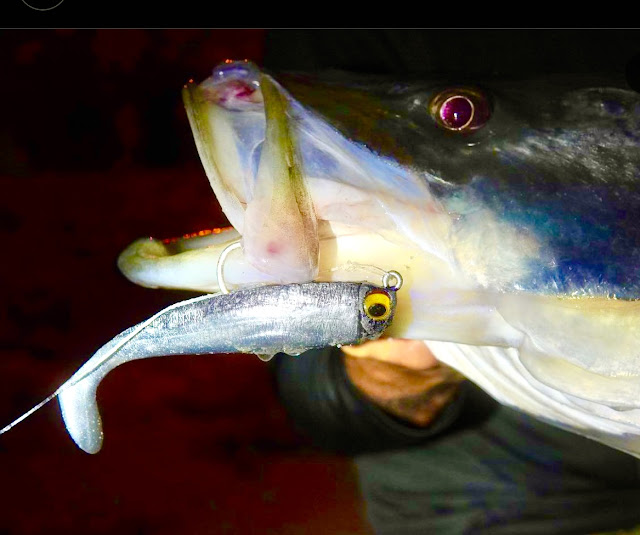
Popular artificial lures include three types: bucktails with a plastic worm or hackle enhancer, diving crankbaits and soft plastic swimbaits. Soft plastics include the  paddle tails and Mullet from NLBN, DOA or paddletails that have their own built-in action.  

Live bait outfits should reflect the fact that this is the method that catches the monsters. Live bait tackle is generally conventional tackle with big levelwind reels with 50-pound test, stout "pool cue" rods with lots of guides, finished off with 80-pound fluorocarbon leaders and super sharp J-hooks (size determined by the bait being used). The most popular live baits are mullet, pinfish, jumbo live shrimp, grunts, small ladyfish and even small mangrove snapper. It's even been theorized that huge snook will grab almost any live bait they feel able to engulf!

story courtesy of Jan Maizler

Saturday, May 27, 2023

From Todd, Eddy & Jeff @ Juno Bait -Juno Beach

INSHORE 

  This is the last weekend of snook season; so if you need one for dinner you better go! Snook fishing has been good again this week as the snook are only a few weeks away from full spawn mode now.  The snook are starting to fill into the inlets, and they are hungry and willing to eat right now.  If your looking for snook during the day around the inlets; live baits fished on the bottom will be the best bet.  At night Flair Hawks and Swimbaits are a great way to go for the snook.  Bridges that are somewhat close to inlets are a great starting spot.  Moving water is critical (with outgoing tide typically being the preferred choice) to get the snook biting.  It’s a small window in the tide that snook feed in, so make sure to keep track of when you are getting bites…That pattern will almost always repeat itself!  Mangrove snapper reports remain good inshore.  Live shrimp fished on a jighead is a good bet for the mangrove snapper; as is small live pilchard on a knocker rig.  

SURF/PIER- I know I keep writing that pompano season is over…but they continue to pick away at a few fish each week.  The weather forecast actually looks good for a few more pomps to be around this weekend.  Depending on how the swell builds in over the weekend, jigging for them from the pier maybe the best bet.  Spanish Mackerel action slowed at the pier this week, with only a small scattering around.  Free-lining small pilchards or a white crappie jig are the best bet for the Macs.  The snook bite remains good at the Juno Beach Pier.  A building swell this week may change things up a bit on that; though sometimes the swell and dirty water will get the snook extra fired up.    Kingfish have still been making a showing at the end of the pier a lot of afternoons.  A Rapala X-Rap or similar swimming plug is the best bet to entice a bite out of the kings.  


Sebastian Inlet Report

 Hit-or-Miss snook action at the north and south jetties

Fishing in and around the inlet last week was decent in the beginning while the water was cleaner. Then, sargassum seaweed arrived and (what others and I call) ‘snot weed’ started coming from the Indian River Lagoon on the outgoing tide all week from Thursday on. There were schools of small pilchards around the north jetty just outside of the surf line along with small greenies around the jetty pilings until the water dirtied up, then they left. Mullet continue to come down the beach in small schools and go into the inlet. Mojarras are starting to become a bit more plentiful with the warmer water. Here’s the meat: 

North jetty: The snook bite has been hit-or-miss. Most of the action is during the late afternoon/evening high tide. Mojarras have been the key bait, but snook have been caught on  small croakers. Some have been caught on the outgoing tide at the tip, but most have been too big, or the goliath groupers have been eating them mid-fight, and groupers will always win.

Wednesday, when I was down looking around at all the sargassum on the north side, I saw a large school of big redfish around the weed line — probably about 50 to 100 fish in the 15 to 20-pound range, probably seeking small crabs found riding in the weed, but they never came into the inlet, and nobody hooked any either. They weren't there for very long. Also, I saw quite a few nice tarpon coming around the tip and heading up the beach — it is that time of the year for them to do that.  They looked to be in the 30 to 40-pound range. I also saw small Spanish mackerel caught on small white crappie jigs and live greenies. Those fishing cut bait/shrimp caught a few nice whiting and pompano — early in the week before the water dirtied. I did hear of anglers catching small mangrove snapper, but they were too small to keep. However, that's a good sign they are showing up. I saw a friend on Tuesday catch a small mutton snapper, but it was too small to keep. They have to be 19 inches. Along the seawall, between the jetty and catwalk, it has been slow because a sandbar is keeping the water shallow on the outgoing tide. On the incoming tide, when there is more water, anglers have been catching undersized snook on live mojarras. 

South Jetty: Over here, same: hit-or-miss on the snook. Clean water is the key. If you have snook on the outgoing tide, they have been biting on the tip of the jetty, ocean side. Small croakers have been the ticket. Incoming tide, again, cleaner water is better, all along the rock wall, but they are still biting with it being a little dirty. Live croakers and mojarras are both getting fish. A lot of smaller fish over here, but quite a few keepers in the mix. Those fishing cut bait, shrimp, are catching black margates, spot tail pins, blue runners and jack crevalles on the outgoing tide at the tip. When the water was pretty clean at the beginning of last week, there were a few pompano and whiting caught from the beach side area.

South Catwalk: This area has been slow due to dirty water and weeds. During the incoming tide around the pilings, use cut shrimp for black margates and spot tail pins. No mangrove snappers yet. 

T-Dock: Also hit-or-miss here. Snook are biting live mojarras on the incoming tide and the beginning of the outgoing tide. Several slot sized fish have been caught, along with quite a few that are oversized. Jack crevalles are also present as they run in and out the inlet chasing mullet. Look for small undersized mangrove snappers, and a mutton snapper or two around the dock pilings, but everything is too small to keep. The bigger fish should start showing next month, maybe. For those fishing the small white crappie jigs, there have been small Spanish mackerel being caught, along with blue runners and jack crevalles. Either tide will work. 

Surf area, both sides: It has been mostly dirty and weedy, but like always, if you find clean water you might find pompano and whiting or possibly a black drum or two. Live sand fleas for the pomps preferably; cut shrimp for the whiting and drum, but they will eat fleas, too. Some snook have been cruising the beach troughs and also tarpon when the water is cleaner. Live croakers and mullet will entice a bite from them. This action goes for both side of the inlet. 


Ed Killer / tcpalm South Fla. Report


Florida fishing: Mutton snapper biting; Snook season harvest ends June 1

Florida fishing regulations and fishing season opening and closing dates:

  • Snook: Harvest closes June 1. Reopens Sept. 1. One fish bag limit, 28-32 inches, snook stamp required.
  • Red snapper: July 14-July 15. One fish per angler per day. No minimum or maximum size limits.
  • Lobster: Season closed April 1. Two-day sport season (mini-season) opens July 26-27. Regular season opens Aug. 6.
  • Grouper: Harvest opened May 1. Includes gag grouper, red grouper, black grouper, scamp, yellowfin grouper, yellowmouth, coney, graysby, red hind and rock hind. Harvest closes Jan. 1, 2024.
  • Hogfish: Harvest opened May 1. Harvest closes from Nov. 1, 2023, to April 30, 2024.
  • Cobia: New bag and size limits for state waters. Bag limit: Two fish per vessel. Size limit: 36 inches fork length.
  • Spotted seatrout:  Harvest opened Jan. 1 in Volusia, Brevard, Indian River, St. Lucie, Martin and Palm Beach counties. Harvest closes November and 
  • December 2023.
  • Redfish: Harvest of redfish is banned in the Indian River Lagoon and Mosquito Lagoon beginning Sept. 1. FWC will re-evaluate later in the year.
  • Alligator: Hunt season opens Aug. 15-Nov. 1. Permits required.
  • Dolphin: Bag limit is five fish per day per angler. Vessel limit is 30 fish per day. Captain and crew may not be included in limit. These fishing regulations began May 1, 2022, for state waters.
  • Tilefish: Harvest opened Jan. 1.
  • Bass: Bass at Headwaters Lake will soon become all catch-and-release.
  • Indian River County

  • Inshore: Spotted seatrout, snook, tarpon and jacks can be caught between the mangrove shorelines and the spoil islands on both sides of the lagoon. Use topwater plugs or suspending lures to get bites in 2-4 feet of water.

    Freshwater: Rising water temperature is slowing the action in the western lakes. Expect bass to be a little more difficult to get a bite out of. Bluegill and shellcracker will bite a little better. Use live crickets.

  • St. Lucie County

    Inshore: Snook continue to be the top catch in the Indian River Lagoon. Wade fishing the end of the docks along Indian River Dr. with topwater plugs has been productive for customers fishing with Jayson Arman of That's R Man land-based fishing charters. Trout, tarpon and jacks can bite, too.

  • Surf: Grass has been hit and miss. If heading to the beach, watch the lightning. On days or beaches with little or no seaweed, croaker, whiting and pompano can be caught. On other days, the grass is simply too much.

    Martin County

    Inshore: Snook fishing is dominating this region. Live bait has been the key for successful anglers, but lures and flies are working in the right places. Try fishing the bridge pilings of the Ernie Lyons Bridge for sheepshead, drum and croaker.

  • Lake Okeechobee

    Three things important to know here: First, the lake is at about 13 feet 8 inches. Ok, but could be better meaning it could be lower. Second, the algae bloom is being tracked by satellite imagery it's so big. Can you still fish despite the algae? Yes. Should you eat the fish? That's your call. I say probably not. Bass will hit spinnerbaits, 10-inch worms and stick worms. Bluegill and shellcracker will take live crickets. DOH Martin County issued an algae alert for Port Mayaca advising not to come in contact with the water, so there's that.


Friday, May 12, 2023

Sebastian Inlet Report


Unseasonably cool water and high winds, but you may see pompano, jacks, sea trout

Our fishing guide, "Snookman" Wayne Landry gives us the scoop:

“Good morning, all you beach and fishing fanatics. The weather was nice except for the relentless winds onshore that kept things a mess at our fishing hole, Sebastian Inlet. Not much has changed from last week’s report. The water last week calmed down a lot, but it never cleaned up much before the brisky ESE winds picked up and kept it dirty and sandy.

On Sunday, the inlet resembled the Mississippi river! Last week, when I was down and talked to the regulars, the fishing was slow, including this past weekend. The water temperature has cooled down again along the coast — 76 degrees When it should be in the 80s and clean — but it's not nearly what we need. At least there are fish being caught, but not in any numbers, and not in anywhere in particular. Also, there are still quite a few finger mullet coming down the beach and into the inlet, so there is some action there. The glass minnows are starting to show up a little around the rocky shoreline and the jetty pilings and t-dock, and the mojarras are starting to become easier to find. To that end, here’s the breakdown.

North jetty: Last week when we had at least one good day of somewhat clean water, there were a few nice pompano caught on the beachside of the jetty on live sandfleas if you could find some; if not, fresh cut shrimp works. Also mixed in were a couple nice whiting, too. The snook bite was largely absent on the jetty: a few were hooked on the tip on the outgoing tide on live mullet, but were too big and broke off. Boaters were catching a few, but they looked too big to keep, and they were far out. Some jack crevalles and small bluefish made up the remainder of the species being caught over here. Fishing was also slow along the rock seawall between the jetty and catwalk due to the massive sandbar that formed inside, making the water very shallow. 

South jetty: Over here, same thing. Slow, but if you catch the incoming tide with a bit of clean water you might find some snook. Most are undersized, but slots are being caught — you have to put in some time and be at the right place at the right time. Large live shrimp and live mojarras are the best bait. I also saw spotted seatrout being caught. See the photo at the top of my report of my friend Erica the ‘Snook Queen’ with a nice 19 to 20-inch fish she got Monday morning on live shrimp. The outgoing tide at the tip is producing all the common fish, spot tail pins, black margates and blue runners, just not in the numbers as usual due to the dirty water. 

South catwalk: This area has also been pretty slow due to the dirty water. They are catching some black margates and spot tail pins, just not in any numbers like usual. 

T-Dock area The fishing has been just a tad better as the water hasn't been so dirty. Some nice snook are being caught on the incoming and very first of the outgoing tide on live mojarras. Also in the mix: catch-and-release redfish to keep it interesting. Small baitfish are all around the dock pilings and have attracted some small mangrove snappers, but they are too small to keep. Spanish mackerel might be a possibility on small jigs on both tides due to the minnows being around. 

 Surf Area, both sides: Last week, while the winds were offshore, seas were down and you could find clean water, there were reports of pompano and whiting caught. Sand fleas and cut shrimp were the baits of choice. Then the winds changed and went ESE and blew it all out. 

This week, expect sunny skies but more wind. Grab your fishing gear and hope for clean water and fish it hard! You never know when you will find some fish! 


Ed Killer / tcpalm South Fla. Report

Indian River County

Inshore: The inlet is still the best spot to expect to catch a snook, although catching slot sizes is another thing. Many of the snook starting to gather at the inlet are females over the slot so be prepared to handle them with care. Snook can also be caught along the mangrove shorelines through Vero Beach south to the county line.

Freshwater: Bass fishing has been steady at Headwaters Lake on wild shiners, crank baits and spinnerbaits.

St. Lucie County

Inshore: Good snook fishing can be had in several spots: St. Lucie Village around the docks; Taylor Creek; Turning Basin; Spoil islands across from the city marina; North fork of the St. Lucie River between Prima Vista and Crosstown Parkway. Tarpon and permit will take live sardines around the mouth of the inlet.

Surf: A few anglers caught pompano, believe it or not, in the early part of the week when the winds let up and the grass subsided a little. But by mid-week, the grass was in again. It will be an interesting zone to watch in the coming weeks.

Martin County

Inshore: Snook fishing is steady for anglers tossing mullet or mullet patterned lures. Try fishing the Evans Crary Bridge or Ernie Lyons Bridge for action during the beginning of the outgoing tides.

Lake Okeechobee

Bream and bluegill fishing has been steady and will be in the next few weeks. Fish spots like Dyess Ditch, First Point, Fourth Point and Tin House Cove. Use live crickets or red worms, both work well. Bass fishing is best in Sportsman's Channel Harney Pond Canal and along Observation Shoal. Use wild shiners or swim baits to get bites.